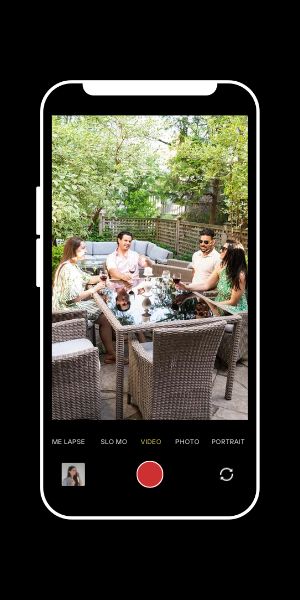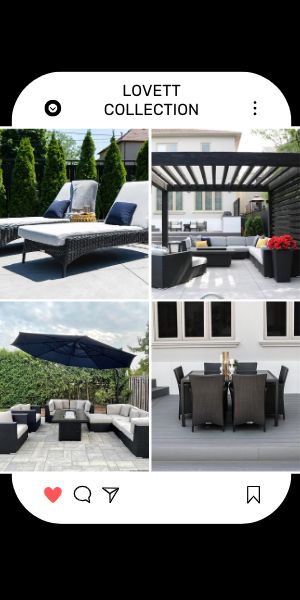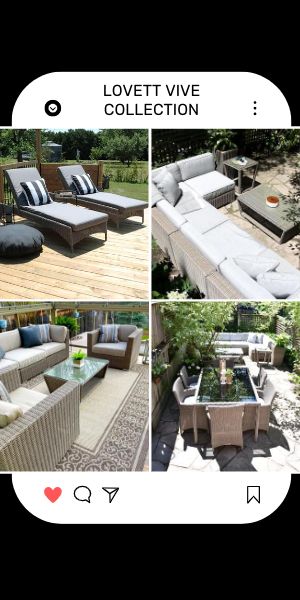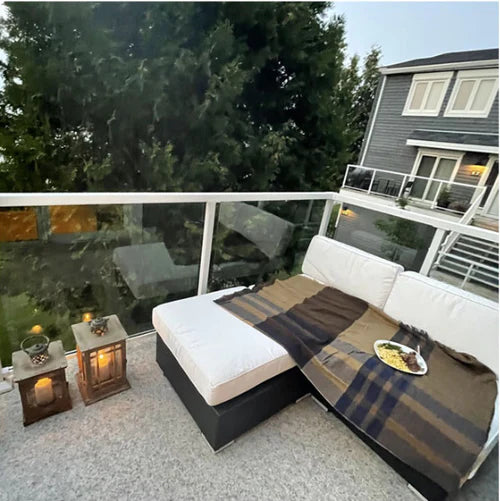



Is the most important room in your house the kitchen? The living room? The primary bedroom? Not anymore. The true heart of the modern home has no walls, no ceiling, and no defined borders.
The outdoor room has emerged as the most coveted space in today's homes. Once an afterthought, a slab of concrete with a grill and a few folding chairs, the patio has undergone a transformation. In 2026, outdoor spaces are being designed with the same attention to comfort, functionality, and style as interior rooms. They are fully realized living areas where design, comfort, and nature converge.
This shift is not just a trend. It represents a fundamental change in how we view and use our living spaces. This guide explores what the outdoor room is, why it matters, and how you can create one in your own home.
Why the Outdoor Room Matters
The traditional distinction between indoor and outdoor spaces is rapidly disappearing. Homeowners are embracing the concept of the outdoor room as a true extension of the home that expands usable square footage and enhances lifestyle opportunities.
According to designers, the move toward outdoor spaces as second living rooms is rooted in a new definition of luxury, one that prioritises wellness, privacy, and experience over sheer square footage. Access to nature is now seen as essential for mental health and wellbeing. As one designer notes, "The outdoor room is actually one of the most important rooms in the house. People have figured that out and are using those rooms more than ever."
The pandemic accelerated this trend significantly. With more time spent at home, outdoor spaces became essential for mental wellbeing and expanded living space. This shift in perspective prompted many homeowners to invest in creating sophisticated outdoor rooms that serve as natural extensions of their indoor environments.
The Rise of the Outdoor Room
The concept of indoor outdoor living is not new. Architects like Richard Neutra and Pierre Koenig explored the connection between interior and exterior spaces decades ago. What has changed is the technology and materials available today. Climate-controlled glazing, retractable wall systems, and weatherproof materials have made it possible to replicate the indoor outdoor flow in cities with far harsher seasons.
The principle that began in Southern California is now being applied around the world. For architects, understanding the rise of the outdoor room is now a requirement on almost every residential project.
Today's outdoor rooms bear little resemblance to the utilitarian patio furniture of previous generations. Performance fabrics mimic indoor softness while standing up to sun, rain, and daily use. These textiles resist fading, repel water, and dry quickly, making luxurious upholstered pieces practical for outdoor settings. The days of stiff blue and white striped sofas are over. Now sofas and chairs are being covered in luxurious outdoor velvets, chenilles, and linen like fabrics that look as if they were meant for indoors.
What Makes a Successful Outdoor Room?
Treat It Like an Indoor Space
The first step in creating an outdoor room is a simple shift in perspective. Treat the exterior as you would a living room. This means moving beyond the notion of "a patio" and embracing a series of purposeful experiences.
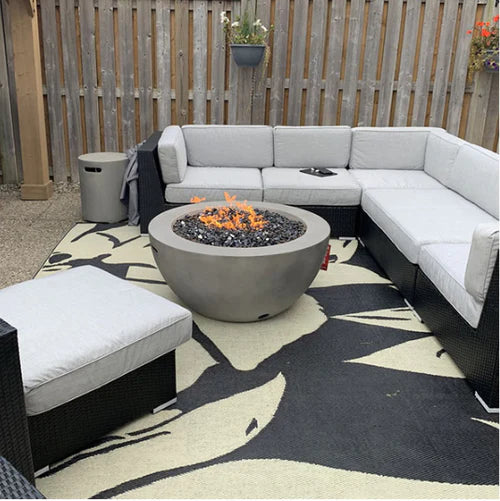
Designers are increasingly translating interior principles, proportion, symmetry, negative space, into outdoor environments. A pair of tailored sofas facing one another across a low coffee table fosters intimacy. Rugs, carefully chosen for performance outdoors, ground the seating, while side tables and lanterns add depth and texture.
Create Distinct Zones
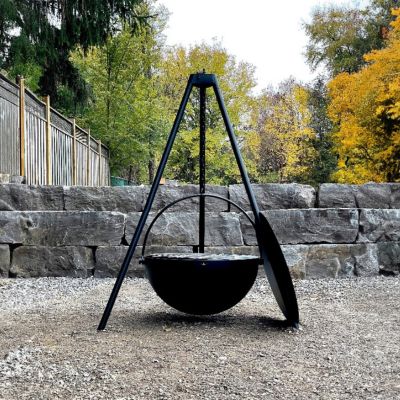
Exceptional outdoor spaces unfold gradually. You might step from the interior into a shaded lounge beneath a pergola, move toward a long dining table, and finally encounter a fire feature glowing against dusk. Each zone serves a purpose, conversation, celebration, contemplation, while transitions remain seamless.
This zoning approach is recommended by design experts. "Create distinct areas for different activities. This helps maximize the functionality of the space and makes it feel more organized and inviting." Most designers recommend having at least two zones: one for dining and one for relaxing.
Focus on Comfortable Seating
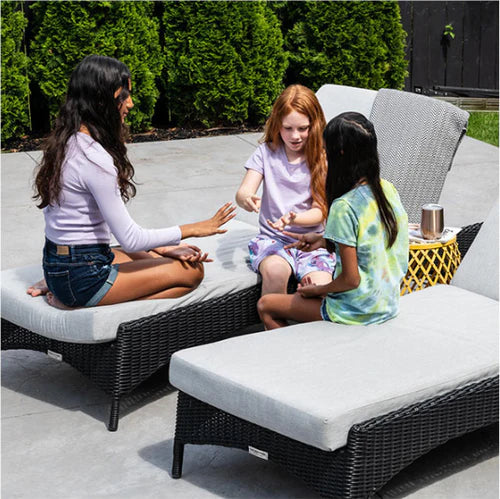
Seating is at the heart of the outdoor room experience deep, inviting, and upholstered in weather resistant fabrics that retain the softness of indoor furniture. Furniture in outdoor settings is often layered with natural materials like cane or jute, adding warmth, texture, and an easy, relaxed character.
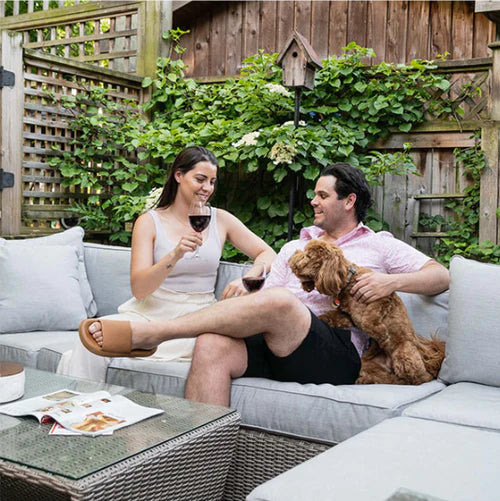
Modular seating is a leading choice, offering the freedom to shape distinct garden zones. By grouping modules, you can create a larger seating arrangement for hosting, then separate them into individual chairs for quieter moments.
Define the Space
To make an outdoor space feel like a room, you need to define its edges, even in the absence of walls and ceiling. "An outdoor room needs to have architecture. It's not just a matter of putting some outdoor furniture out there. It should have boundaries, framed views, and different levels."
Sometimes the existing architecture delivers with a porch or pergola. Other times, you can create an enveloping feel with clusters of planters offering green at varying heights, vertical green walls, or modular planter systems.
Layer Your Lighting
Sophisticated outdoor lighting schemes extend the day. Integrated LED strips wash pathways in soft light. Lantern clusters flicker on side tables. Overhead fixtures cast a flattering, intimate glow across dinner guests. Lighting should mimic what you use indoors: different dimmable layers delivered by sconces, pendants, chandeliers, and accent lights hidden in planters.
Choose Performance Materials
Advances in durable fabrics and other materials have made creating an outdoor space far easier today. Performance fabrics that read like indoor upholstery but withstand weather are becoming standard. Fabrics that resist fading, mildew, and stains are no longer a luxury. They are an expectation.
This is where Sunbrella fabric excels. Fade resistant, mildew resistant, bleach safe, and available in over 600 colours, it is designed to handle sun, rain, and daily use while maintaining the softness of indoor upholstery.
What This Means for Canadian Homeowners
For Ontario homeowners, the outdoor room concept means creating usable, comfortable spaces that can be enjoyed for more than just July and August. Modular seating and durable materials extend the use of your patio into spring and fall. Warm, natural colours and textures make the space feel inviting even on cooler days.
High-quality HDPE wicker over powder coated aluminum frames resists fading, cracking, and moisture damage. Genuine Sunbrella fabrics can handle sun, rain, and the occasional Canadian winter (if stored properly). These are not just trend choices. They are smart investments.
Frequently Asked Questions
What is an outdoor room?
An outdoor room is an exterior space designed with the same attention to comfort, functionality, and style as an interior room. It is a true extension of the home that expands usable square footage and enhances lifestyle opportunities.
Why is the outdoor room becoming popular?
The pandemic accelerated the trend as people sought to maximize their homes' potential. Access to nature is now seen as essential for mental health and wellbeing, and homeowners are investing in spaces that support both relaxation and entertaining.
How do I create an outdoor room?
Start by deciding how you want to use the space. Then create distinct zones for each activity. Treat the space like an interior room with comfortable seating, defined edges, layered lighting, and performance materials.
What furniture works best for an outdoor room?
Look for modular seating that can be configured for different activities. Choose performance fabrics like Sunbrella that resist fading and mildew. Mix materials like teak, powder coated aluminum, and HDPE wicker for warmth and durability.
Can I create an outdoor room on a small patio?
Yes. Even small patios can be designed as outdoor rooms. Focus on one or two zones, choose proportional furniture, and use vertical elements like planters to define the space.
Conclusion
The outdoor room is no longer secondary. It is not seasonal or ornamental. It is the room everyone wants to be in. The most coveted space in the modern home has no walls, no ceiling, and no defined borders. It stretches outward, merging architecture and landscape, redefining the outdoors as a fully realized, intentional living space.
For Canadian homeowners, this trend aligns perfectly with smart investments. HDPE wicker, powder coated aluminum frames, and genuine Sunbrella fabrics deliver both style and durability. Your outdoor room can be on trend and built for our climate.
Looking to create the most important room in your house? WickerPark offers HDPE wicker over powder coated aluminum frames with genuine Sunbrella cushions. Modular seating. Durable materials. Made in Canada. Shop online or visit our showroom. Your outdoor room starts here.