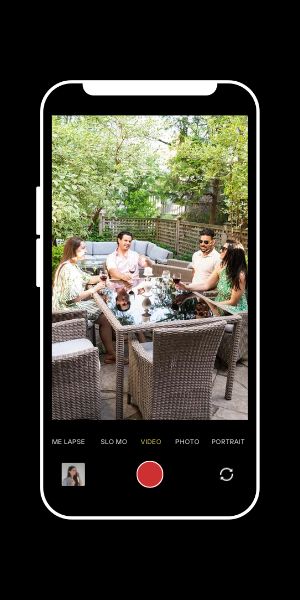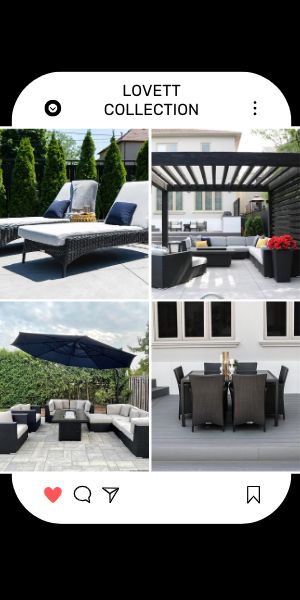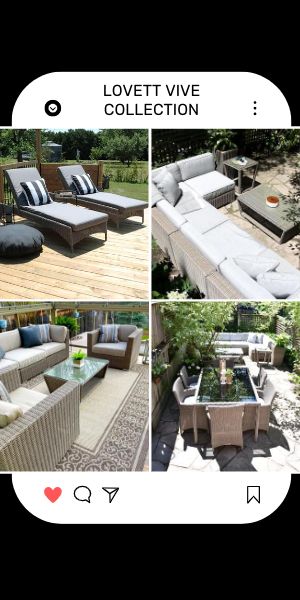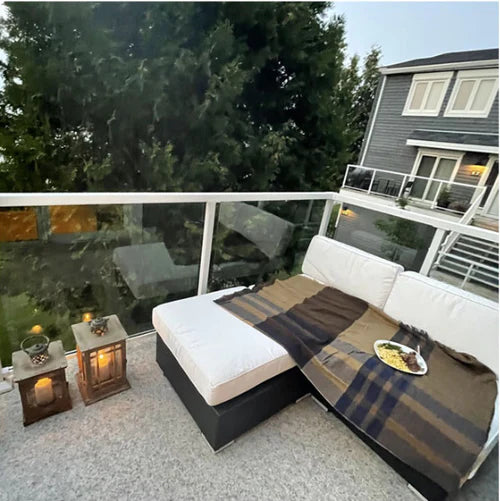



Looking for simple patio layout ideas? Whether you have a small balcony or a large backyard, the way you arrange your furniture makes all the difference. A well-planned layout turns an empty patio into an inviting outdoor room. It makes the space feel bigger, more comfortable, and easier to use.
This guide breaks down easy patio layout ideas for any space. You will learn how to arrange furniture, create functional zones, and choose the right pieces for your outdoor room. These simple tips will help you design a patio you actually want to spend time on.
Start with a Plan: How Do You Want to Use Your Patio?
Before moving any furniture, ask yourself one question: How do you want to use your outdoor space? Interior designer Justin DiPiero suggests, "Determine how you want the space to function and then work backwards. Are you looking to entertain, or will this just be a small space for you to escape and unwind?"
This is the most important step. If you plan to host dinner parties, a dining table is essential. If you want a quiet reading nook, a comfortable lounge chair matters more than a large table. Once you have a clear goal, choose furniture that fits that purpose and is appropriately sized for your patio.
The good news is that small patios can be just as flexible as large ones. As one designer notes, "People often think small spaces have less flexibility, but this is not the case. Small patios can be designed in a number of ways depending on your preferred use."
The Golden Rule: Treat Your Patio Like an Indoor Room
Designers agree on one key principle. Treat your patio, balcony, or backyard just like you would the interior of your home. Toronto designer Shaunn Lipsey explains, "Create distinct areas for different activities. This helps maximize the functionality of the space and makes it feel more organized and inviting."
By designating specific zones similar to rooms in a house, you create an orderly, easy-to-follow flow. Most designers recommend having at least two zones. One for dining and one for relaxing. If your patio is large enough, a third zone for cooking or a fire pit can work well.
Quick tip: Instead of two long sofas facing each other, consider one sofa and two to three chairs. "The chairs can be moved throughout the year depending on the party or gathering, and it makes it so your space is flexible."
Simple Layout Ideas for Any Patio
Here are a few easy layout ideas that work for different patio sizes and styles.
The Cozy Conversation Circle
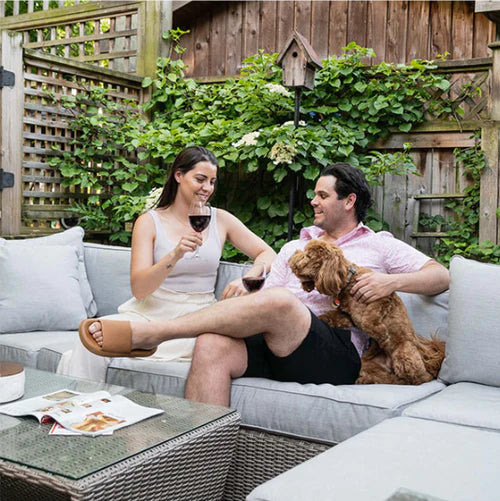
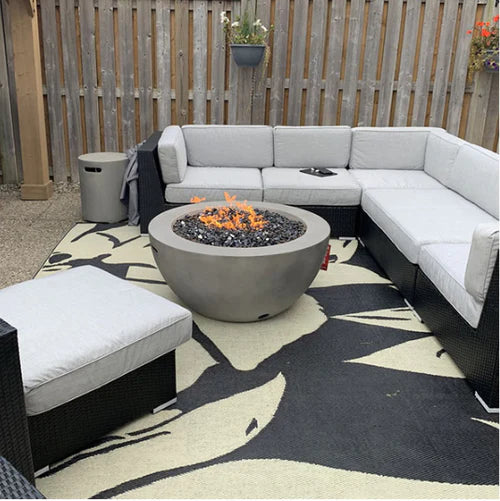
Arrange chairs and a loveseat in a half circle facing a central coffee table or fire pit. This layout encourages conversation and makes the space feel intimate. For a small patio, a loveseat with two chairs on either side works well. The open area in front of the loveseat makes the space feel larger. If you need extra seating, guests can pull up temporary chairs.
The Dining + Lounge Combo
If your patio is large enough, create two separate areas. Put a dining table and chairs in one corner and a seating area with a sofa and coffee table in another. Use a long piece like a table or outdoor console to separate the outdoor kitchen from the rest of the space. This also provides extra serving space or a convenient bar area for guests.
The Single-Lounger Retreat
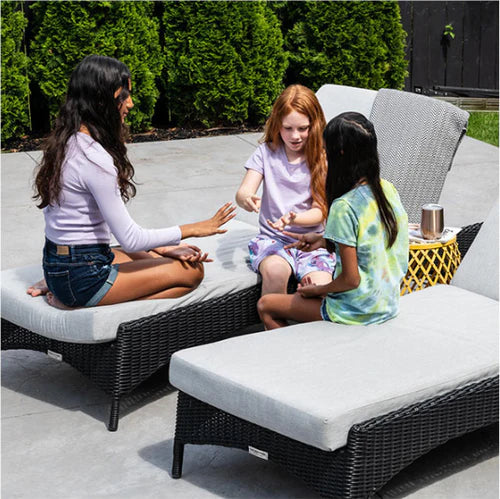
For very small patios where you are the primary user, a sun lounger is all you need. "A sun lounger with a side table and umbrella would work best," says designer Carol Zihal. Add an area rug and some plants, and you have a cozy personal getaway.
The Banquette Approach
For narrow patios, line the perimeter with banquette-style seating. This allows you to have a comfortable place to lounge while also accommodating a bistro table for dining when needed. Use planters near the banquette to define the space.
The L-Shaped Layout
One of the best layouts for a small garden is an L-shaped patio in a corner. Design your patio to extend along two walls, leaving an open space in the centre for plants. "The open space creates a sense of greater depth," making your garden feel larger. This works well for tight spaces like small backyards.
Space-Saving Tips for Small Patios
Working with a small patio? Here are some simple tricks that make the space feel bigger and more functional.
Fill the Perimeter First
Keep your furniture arranged around the edges of the patio. This opens up more room for movement and visually creates the illusion of a larger space. A rug in the centre ties it all together.
Choose Furniture with Multipurpose Function
Look for pieces that serve more than one purpose. Deck boxes that double as seating and storage are great options. An outdoor ottoman can work as extra seating, a footrest, or a side table.
Skip the Large Dining Table
A picnic or large dining table takes up a lot of space. Instead, look for space-saving bistro tables and chairs. If you are expecting guests, add small folding or end tables for serving food or drinks.
Keep Furniture Proportional
Select items that fit the scale of your space. Smaller seating pieces often provide better function and flow than a large sectional that wraps around the perimeter. A single loveseat works better than a full-sized sofa in a tight space.
Use Vertical Elements
When you are short on floor space, think upwards. Trellises, wall-mounted planters, and climbing vines allow you to add greenery without losing room for furniture or foot traffic.
Spacing Rules for a Comfortable Patio
A comfortable patio needs the right spacing. Here are the basic dimensions to keep in mind:
Between sofa and coffee table: 14 to 18 inches. This allows for comfortable reach and knee room.
Main walking paths: 30 to 36 inches. This gives people enough room to move between zones comfortably.
Behind dining chairs: 24 to 36 inches beyond the table edge. This allows chairs to pull out and guests to move around the table.
Between fire pit and seating: 36 to 60 inches from the fire pit edge. This depends on the heat output and type of fire pit. Always follow manufacturer instructions.
These are starting points, not rigid rules. The best spacing depends on your patio size, furniture depth, and how people move through the space.
Adding Style with a Simple Touch
Once you have the layout right, add a few finishing touches to make the patio feel inviting.
Add an outdoor rug. An area rug defines the space and softens the look. For most sofas, a 6x9 or 8x10 rug works well. Keep about 12 inches of patio surface showing around the rug's edges for a balanced look.
Use planters to frame the space. Place matching planters at the entrance or on either side of a seating area. This instantly adds structure. Even a few containers with flowers or herbs can bring life to a small patio.
Layer your lighting. String lights create a warm glow overhead. Solar path lights define edges and guide movement. A lantern on a table adds a cozy touch.
Add cushions and pillows. Throw pillows in coordinating colours make furniture look intentionally designed and more comfortable.
Frequently Asked Questions
What is the best way to arrange patio furniture?
Start by deciding how you want to use the space. Then create zones for each activity. Keep walkways clear with at least 30 inches of space. Arrange seating to face each other or a focal point like a fire pit or view.
How do I make a small patio look bigger?
Use furniture around the perimeter to open up the centre. Choose lighter colours that recede visually. Add vertical elements like trellises to draw the eye upward. Keep furniture proportional to the space.
How much space should I leave between patio furniture?
Leave 14 to 18 inches between a sofa and coffee table for comfortable reach. Main walkways should be 30 to 36 inches wide. Dining chairs need 24 to 36 inches behind them for pulling out.
How can I separate zones on my patio without walls?
Use rugs to define each zone. A round rug under the dining table. A rectangular rug under the seating area. Planters or a console table can also act as room dividers.
What should I do if my patio is an odd shape?
For round or curved patios, arrange furniture to follow the natural shape. This maintains flow and makes the layout feel balanced. For L-shaped patios, extend furniture along two walls, leaving the centre open.
Conclusion
Simple patio layout ideas start with one question: How do you want to use your space? Once you know the answer, arrange your furniture to create clear zones for each activity. Keep walkways open, choose proportional furniture, and add a few finishing touches like rugs and lighting.
With the right layout, even the smallest patio can feel like an inviting outdoor room.
Looking for quality furniture to bring your patio layout to life? WickerPark offers all-weather wicker and aluminum furniture with genuine Sunbrella cushions. Modular seating. Durable materials. Made in Canada. Shop online or visit our showroom. Your outdoor room starts here.